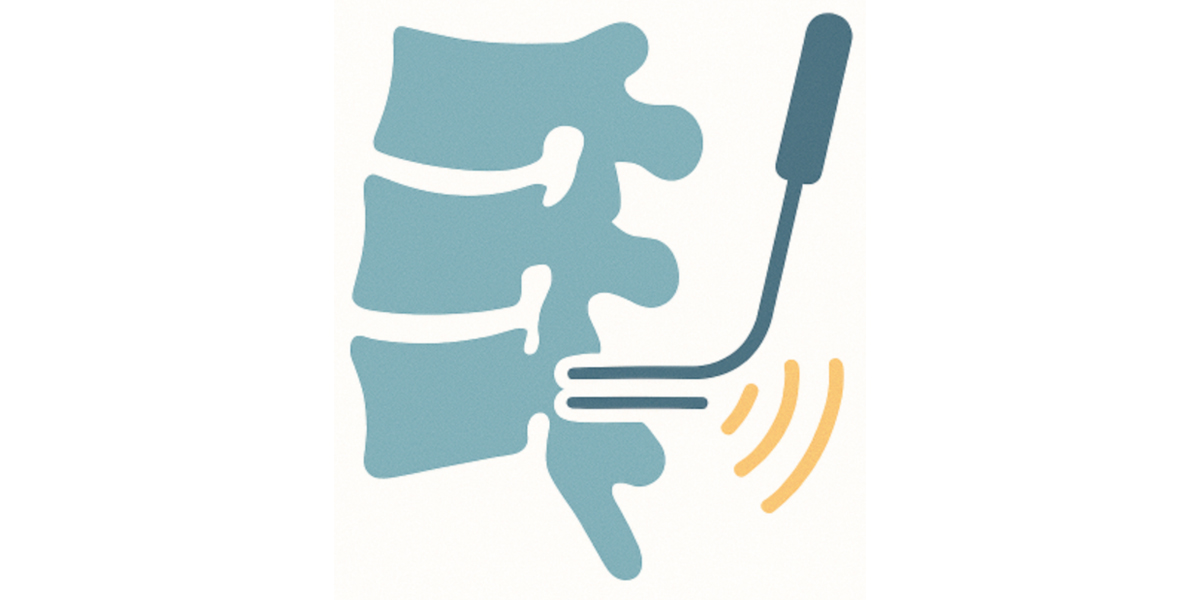
This study evaluates whether a novel two-lesion radiofrequency ablation (RFA) technique—targeting both the lateral neck of the superior articular process (SAP) and the sub-mammillary fossa—provides superior pain relief for patients with lumbar facet joint–mediated low back pain.
What did we learn?
In four patients treated with this anatomy-informed, two-landmark lumbar medial branch (MB) RFA technique, all reported ≥80% pain relief lasting 12–15 months. One patient achieved 100% relief and did not require repeat RFA. No significant complications were reported. All patients described the treatment as the most effective RFA experience they had received.
Why is this relevant?
Facetogenic low back pain is common, and RFA is an established treatment. Traditional techniques typically target only one portion of the medial branch nerve. This two-lesion approach—grounded in recent anatomical insights—aims to maximize nerve capture by targeting both proximal and distal segments of the nerve. Early evidence suggests it may improve both the quality and duration of pain relief, supporting the need for further investigation in larger studies.
If you have questions or comments about this post, please email us at research@vivocura.ca
NOTE: This was written to help the reader become familiar with some of the research we are doing here at Vivo Cura Health. This post, and all other content on this website are not intended to be a substitute for medical advice, diagnosis, or treatment. Please consult with a certified healthcare provider to discuss if a treatment is right for you.