Evaluating Prognostic Block Selection Criteria in Cervical Medial Branch Radiofrequency Neurotomy: A Retrospective Cohort Study.
Allison Glinka Przybysz, Enrique Galang, Christian A. Sangio, Christian Wirawan, Amanda N. Cooper, Alycia Amatto, Brook Martin, Robert Burnham, Aaron M. Conger, Zachary L. McCormick, Taylor R. Burnham, March, 2025
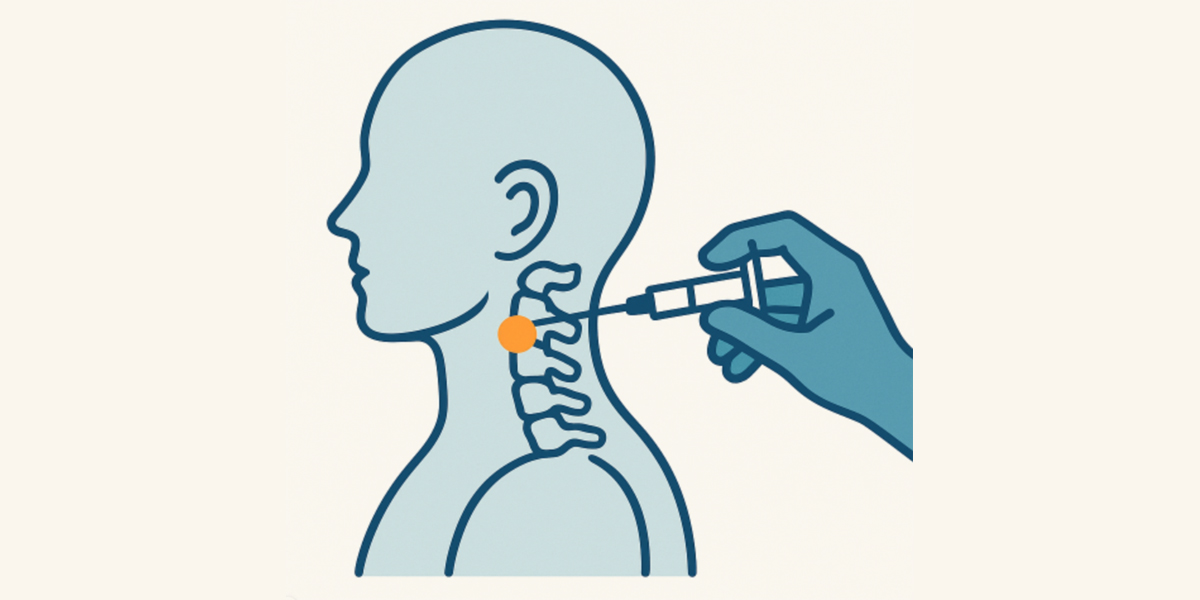
This study investigates whether different prognostic block selection criteria affect the success rates of cervical medial branch radiofrequency neurotomy (CMBRFN) in treating chronic neck pain.
What did we learn?
Over 60% of patients experienced clinically significant improvements in pain and disability at 3 months following CMBRFN, regardless of which prognostic block criteria were used to select them. No significant differences in treatment success were found between different block paradigms, suggesting flexibility in patient selection strategies.
Why is this relevant?
CMBRFN is an established treatment for chronic neck pain, but patient selection criteria vary widely, and their impact on outcomes is unclear. This study provides evidence that multiple prognostic block strategies can be effective in guiding eligibility for CMBRFN, which may simplify clinical decision-making and broaden access to treatment.
If you have questions or comments about this post, please email us at research@vivocura.ca
NOTE: This was written to help the reader become familiar with some of the research we are doing here at Vivo Cura Health. This post, and all other content on this website are not intended to be a substitute for medical advice, diagnosis, or treatment. Please consult with a certified healthcare provider to discuss if a treatment is right for you.