The Effectiveness of Cervical Medial Branch Radiofrequency Neurotomy Using a Perpendicular Approach with a Three – tined Probe: A Single – Arm, Retrospective Cohort Study.
David Civitarese, Andrew Stephens, Timothy M. Curtis, Chase Young, Alexa G. Ries, Amanda N. Cooper, Brook Martin, Alycia Amatto, Robert S. Burnham, Aaron M. Conger, Zachary L. McCormick, Taylor R. Burnham, March, 2025
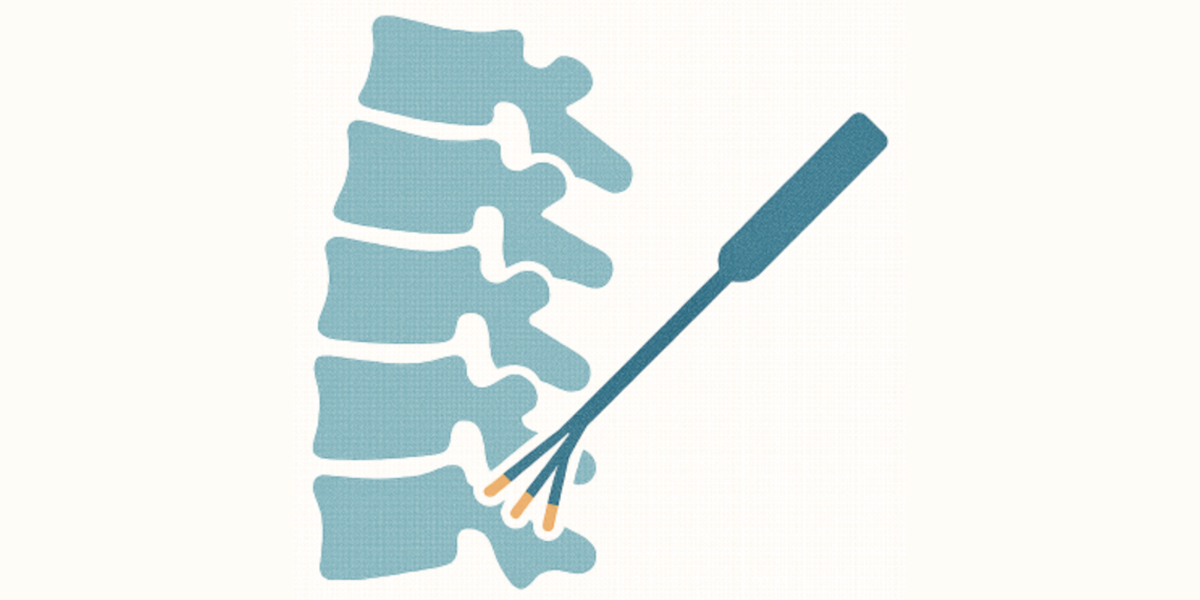
This study investigates how effective cervical medial branch radiofrequency neurotomy (CMBRFN) is when performed using a perpendicular approach with a three-tined Trident cannula in patients with confirmed facet joint neck pain.
What did we learn?
At 3 months post-procedure, over 65% of patients experienced significant pain relief and improved function. For those whose symptoms returned, pain relief averaged 86% and lasted nearly 9 months following treatment. The perpendicular approach with the three-tined cannula showed promising results as an alternative to the traditional parallel technique.
Why is this relevant?
Chronic neck pain from facet joints is a common source of disability, and radiofrequency neurotomy is an established treatment. The perpendicular approach using a multi-tined cannula is a newer method that may offer technical advantages. This study adds valuable clinical evidence supporting its effectiveness and durability in real-world practice, highlighting the need for larger, prospective trials to confirm these findings.
If you have questions or comments about this post, please email us at research@vivocura.ca
NOTE: This was written to help the reader become familiar with some of the research we are doing here at Vivo Cura Health. This post, and all other content on this website are not intended to be a substitute for medical advice, diagnosis, or treatment. Please consult with a certified healthcare provider to discuss if a treatment is right for you.